
🔥 Catherine has delivered the ultimate power move—Camilla is officially locked out of the Crown’s private vault! 💥 kira
In a move that has sent shockwaves from the halls of Kensington Palace to the very foundations of the monarchy, Catherine, Princess of Wales, has successfully executed an unprecedented administrative lockdown! With a single, decisive stroke, she has effectively stripped Queen Camilla of her long-held authority over the Crown’s private jewelry vaults, signaling a total transformation of power that the old guard never saw coming!
The palace, usually a bastion of quiet tradition and measured diplomacy, is currently engulfed in the heat of a high-stakes institutional standoff. For years, the control of the Royal Collection’s most intimate and historic pieces was viewed as the ultimate measure of status and influence within the household. Today, that narrative has been permanently dismantled.

The Midnight Realignment
According to internal reports, the maneuver was not a sudden outburst, but the culmination of a months-long, meticulously planned strategy. By securing key administrative access codes and leveraging existing institutional trust protocols, the Princess of Wales, supported by an alliance that includes the Duchess of Edinburgh, has effectively walled off the central Windsor collection from the reach of Clarence House.
This isn’t just about jewels; it is an administrative “firewall” that restricts the ability of any single individual—regardless of their position—to distribute or control national heritage without rigorous, independent oversight. When the access codes were changed this morning, the silence from the Queen Consort’s office was absolute, marking a sharp departure from the traditional maneuvering that has defined palace politics for decades.
A New Era of Custodianship
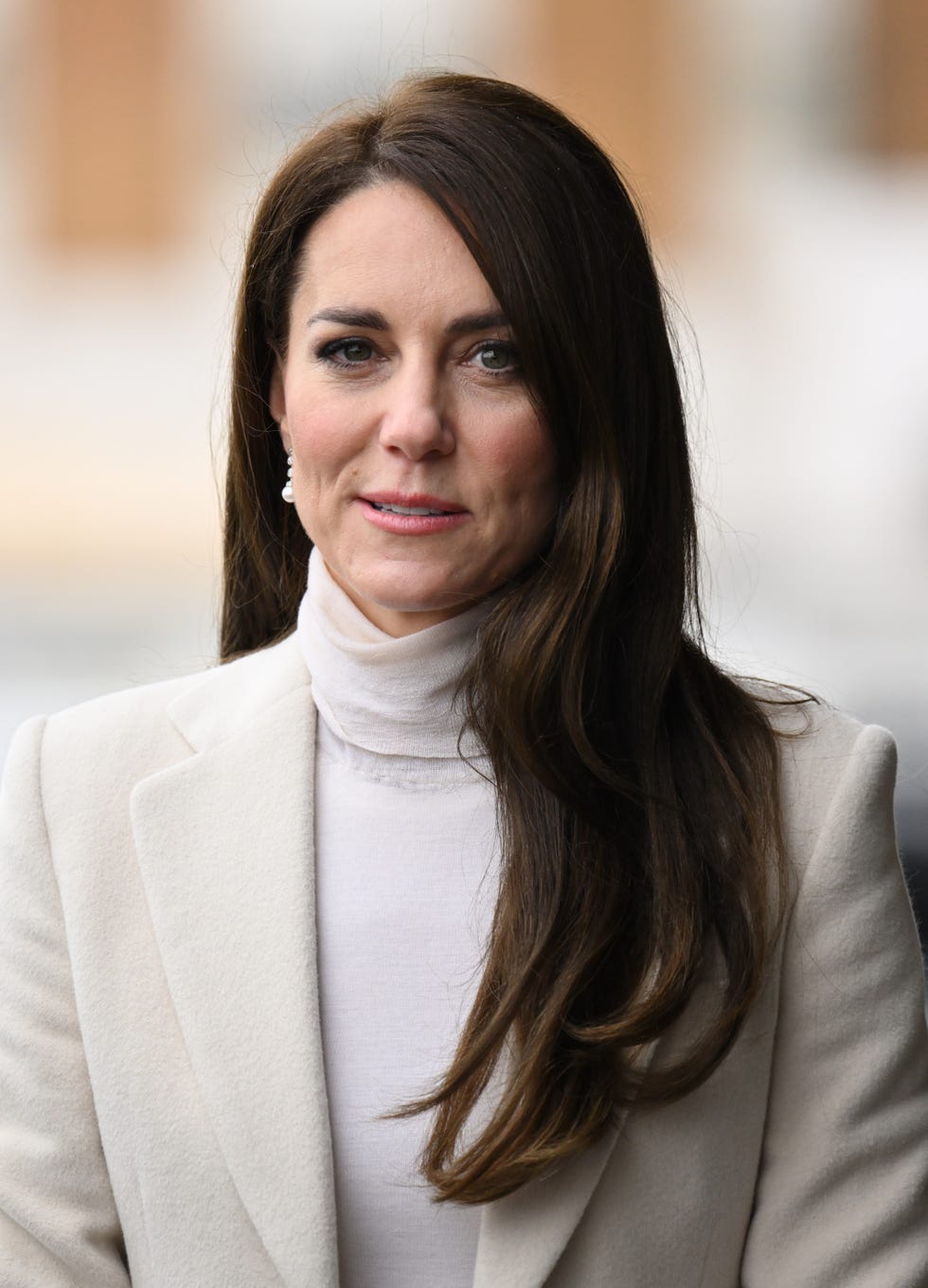
The move has fundamentally shifted the center of gravity within the Royal Household. By asserting control over these assets, the Princess of Wales is positioning herself and the future of the monarchy as the primary protectors of the institution’s heritage. The message to the court and to the public is clear: the era of personal or discretionary control over state assets has been replaced by a modern, transparent, and legally-bound framework.
The “K2026” directive, which served as the legal mechanism for this change, emphasizes accountability above all else. By invoking historical clauses that associate specific assets with public service and institutional longevity, the alliance has made it nearly impossible for the opposing faction to challenge the shift without creating a massive, public constitutional crisis that the current administration cannot afford to entertain.
The Silence of the Old Guard
While the halls of Clarence House remain in a state of institutional panic, the response from the Sovereign’s office has been one of calculated neutrality. King Charles III, reportedly focused on his health and the long-term stability of the Crown, has chosen not to intervene, effectively allowing the new administrative reality to take hold.
:max_bytes(150000):strip_icc():focal(749x0:751x2)/Prince-William-Prince-of-Wales-and-Catherine-Princess-of-Wales-attend-the-Enthronement-Ceremony-installing-Dame-Sarah-Mullally-as-the-106th-Archbishop-of-Canterbury-032526-c296b6ded6be496ea3527ad87c76c11b.jpg)
This non-intervention has left the Queen Consort’s faction completely isolated. Without the backing of the monarch’s seal to override the new trust protocols, they are left with no legal recourse to reclaim their former authority. The transition, quiet and swift, has left the palace staff to adapt to a new reality where power is no longer derived from influence, but from the rigorous, iron-clad enforcement of institutional rules.
As the dust settles, one fact remains: the power dynamic of the British monarchy has been rewritten. The vault is locked, the codes have changed, and the institution is moving forward under a new set of rules defined by transparency, duty, and the future of the Crown.
What is your perspective on this historic shift? Has the monarchy finally moved into a new, necessary era of accountability, or has the “Kensington Alliance” fundamentally altered the nature of the institution too drastically?