
🔥 The Loyalty Trap: How William and Harry “weeded out” their fake friends! 💥 kira
For Prince William and Prince Harry, growing up in the glare of the global spotlight made trust an incredibly rare commodity. When your every move is a potential headline, how do you distinguish a genuine friend from a source looking for a payday? According to royal contributor Emily Andrews, the brothers relied on a brutal but effective method: they set traps.
Tracking the Betrayal

“I remember in the past, Harry and William feeding erroneous stories out and keeping track of what they told to whom,” Andrews explained on the podcast. By planting specific, slightly different details with different friends, the brothers could pinpoint exactly where a leak to the tabloid press had originated.
The consequences were swift and final. Andrews noted, “Anyone who they deemed to be disloyal would be absolutely eviscerated and cut from the social circle.” For the princes, this wasn’t just a social correction—it was a necessary security measure to protect their private lives.
The “Unbalanced” Burden
Beyond the leak tests, the royal expert emphasized the inherent difficulty of sustaining friendships when one person is the “most important person in the room.” This power imbalance naturally creates a tension that is hard to ignore.
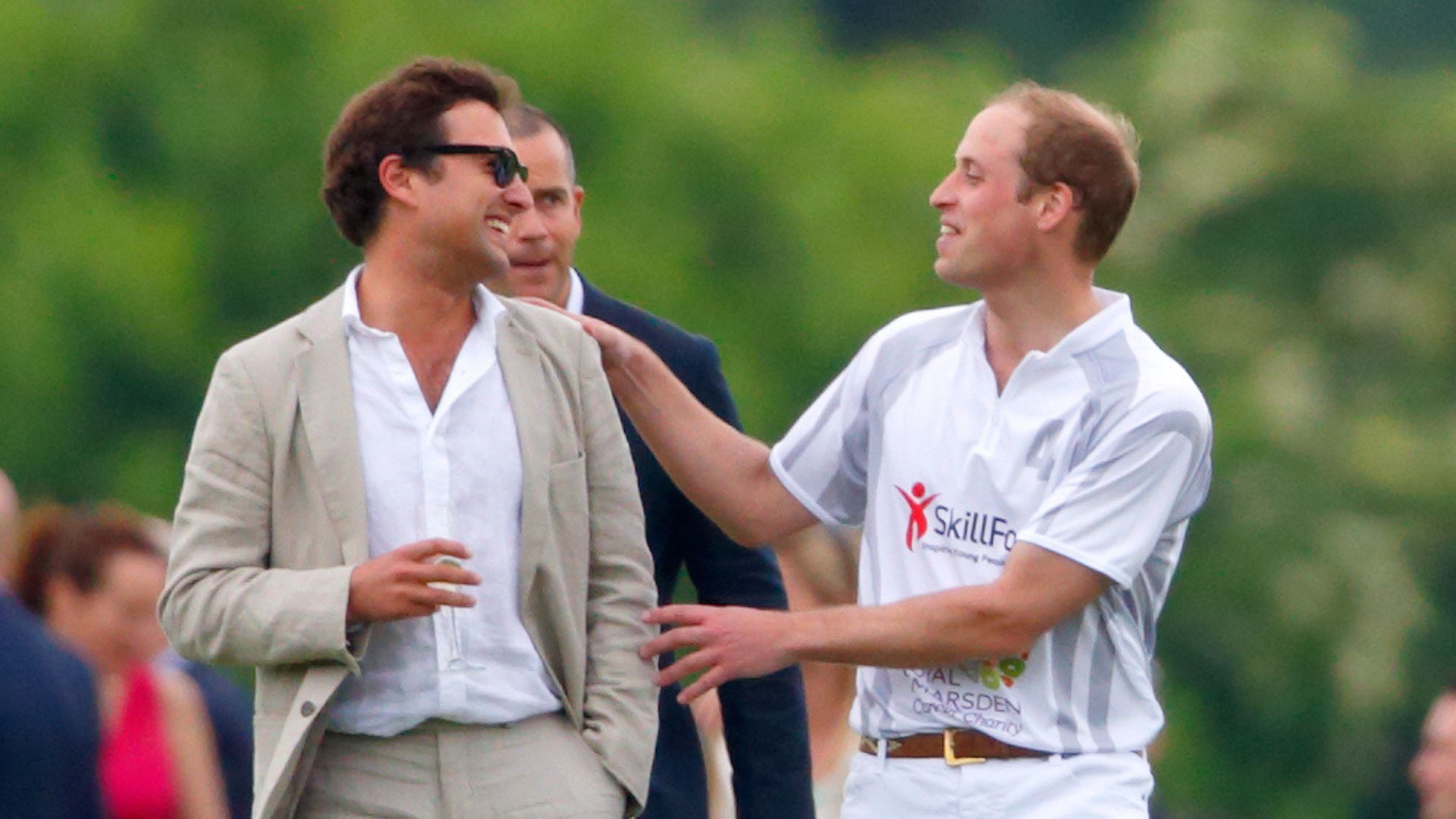
The brothers’ inner circles have historically been dominated by the aristocracy—friends like Thomas van Straubenzee and James Meade, who understood the codes of their world. However, even within those circles, the pressure of discretion is immense. Andrews revealed that some friends are now so terrified of being associated with the royals that they “will not even mention their name” in public settings, just to avoid any risk of being identified or scrutinized.
A New Chapter: The “Middleton Way”
While William and Harry grew up with these high-stakes social dynamics, the future of the monarchy looks quite different. The Prince and Princess of Wales have made a deliberate decision to educate Prince George, Princess Charlotte, and Prince Louis at schools that mingle them with a wider range of families—”doctors, lawyers, business people, and the upper middle class.”

Reverend Richard Coles aptly described this shift as “more Middleton than Windsor.” By prioritizing this more grounded upbringing, William and Catherine are aiming to ensure that their children experience a childhood defined by relevance and relatability, potentially avoiding the deep-seated mistrust and “traps” that defined the previous generation.
Was feeding fake stories to friends a genius move to protect their privacy, or did it go too far? Share your thoughts on the “loyalty trap” in the comments below!