
🔥 The “Stay A While” plea: The profound loneliness of the most famous woman in the world behind closed doors. 💥 kira
In the vast, silent corridors of Kensington Palace, away from the flashing cameras and the adoration of millions, the reality of Princess Diana’s life was often starkly different from the public image. Paul Burrell’s memoir, A Royal Duty, provides a rare, heart-wrenching glimpse into this reality: the “stay a while” plea was not just a casual request—it was a lifeline.
The Paradox of Public Adoration
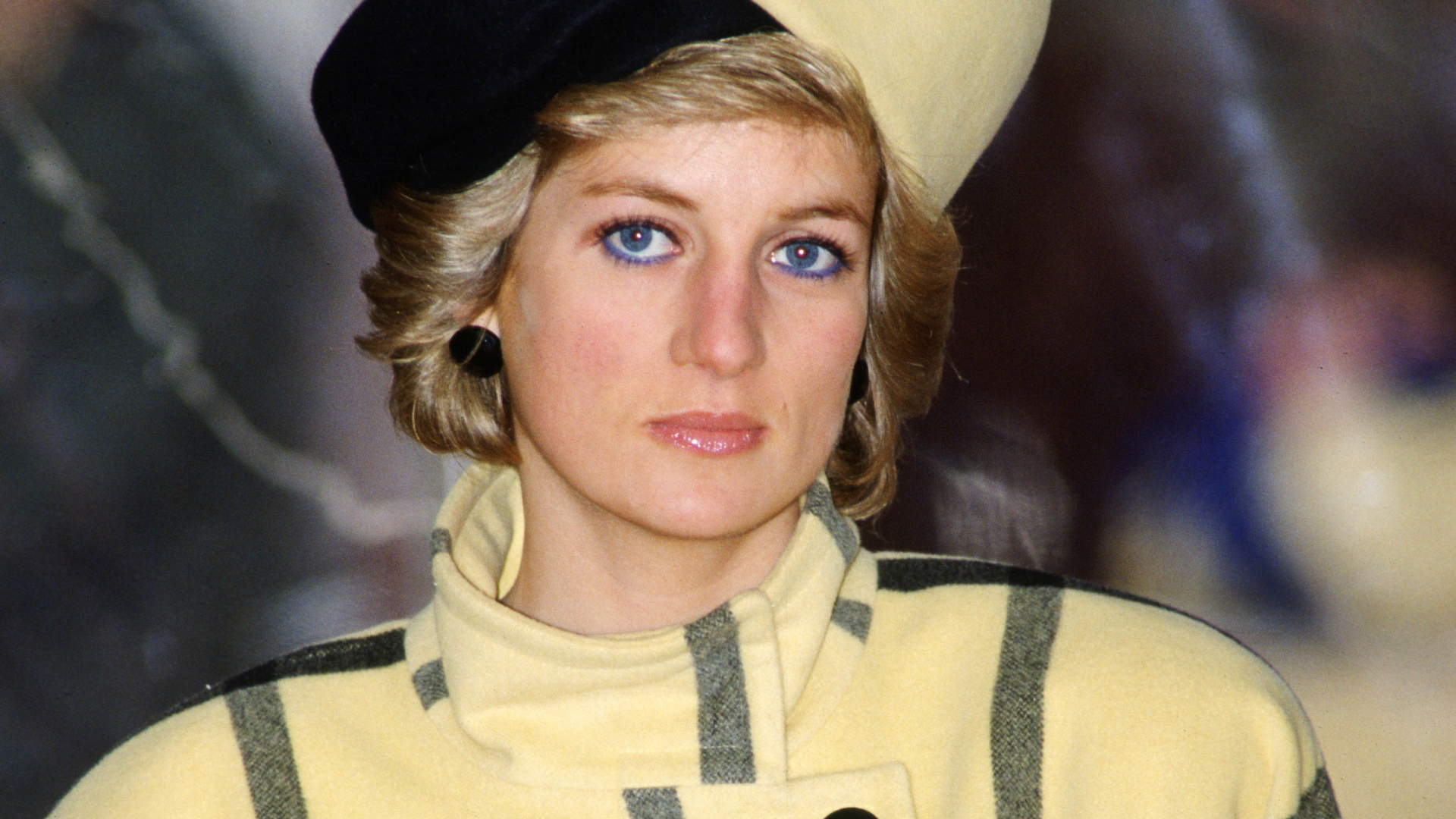
Diana was arguably the most famous woman in the world, yet her private existence was often defined by a crushing, profound isolation. When her sons, William and Harry, were away at boarding school, the emptiness of the palace felt magnified. Burrell recalls that as he wheeled in her evening meals—often simple dishes eaten in the quiet of a sitting room—the Princess would linger over the interaction, clearly reluctant to let the final human presence of the day depart.
The plea to “stay a while” revealed the human cost of her fame. To be the “People’s Princess” meant being perpetually surrounded, yet the very mechanisms of her protection and public status often created a barrier that made genuine connection incredibly rare.
A Life Defined by “Fresh Problems”
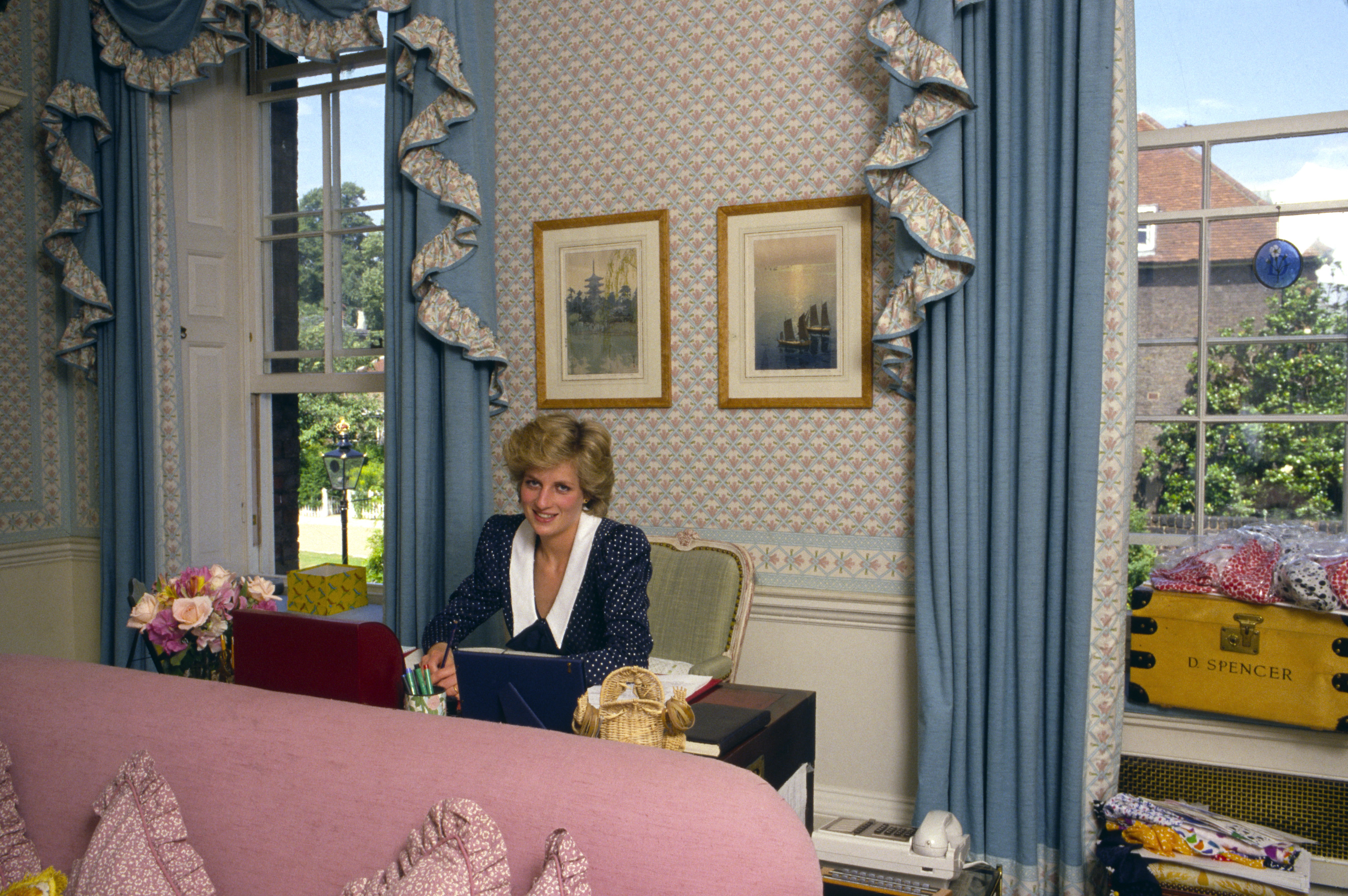
The depth of her loneliness was compounded by an exhausting, relentless vigilance. Diana lived in a world where she felt that every new day carried the weight of a “new drama” or a “fresh problem.” This was not the paranoia of a celebrity; it was the reality of a woman navigating a hostile institutional environment and an unrelenting media glare.
- The Weight of Anticipation: Her nightly question to Burrell, “What do you think tomorrow’s going to bring?” was a window into her soul. It showed a woman who could never truly rest, because she knew that even in sleep, the machinery of her life was constantly turning, often against her.
- Domesticity as Sanctuary: Her ritual of helping to wash the dishes was one of the few moments where she could reclaim a sense of normalcy. In those minutes, she was not the Princess of Wales; she was a woman sharing a chore, seeking the comfort of a simple, human connection that didn’t demand anything from her.
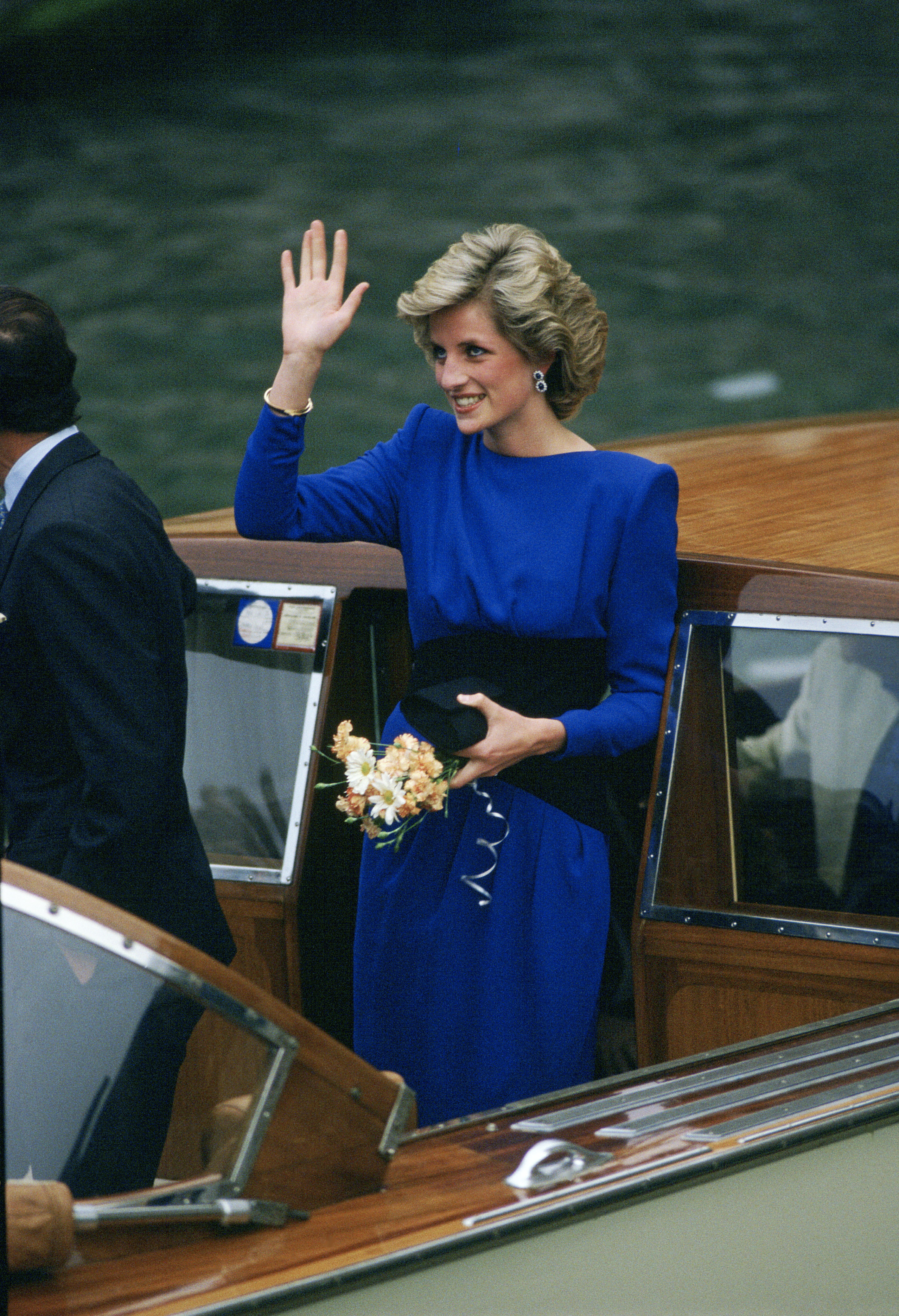
The Resilience of the “Girlish” Spirit
Perhaps the most touching aspect of Burrell’s recollections is the contrast between her nightly vulnerability and her morning strength. After unburdening herself of her fears in the dark, Diana would often disappear down the corridor with a “girlish skip and hop.”
This cycle—the nighttime doubt followed by the morning’s renewed, radiant energy—was the secret of her survival. She allowed herself to be fragile behind closed doors, with someone she trusted, so that she could be the unbreakable, compassionate force the world needed her to be. The “stay a while” plea was the vital pause in that cycle, the moment of rest required to face another day of being Princess Diana.
Does this view of Diana’s nightly struggle for connection change how you see the “strong” public persona she presented to the world?